

Chemical Properties of Sodium Diamyl Sulfosuccinate
Molecular Formula and Weight
Sodium Diamyl Sulfosuccinate, also known as Diamyl Sodium Sulfosuccinate or by the CAS number 922-80-5, has the molecular formula C14H25NaO7S. Its molecular weight is approximately 362.4 g/mol. This compound belongs to the family of anionic surfactants derived from sulfosuccinic acid esters, specifically categorized as Sodium 1,4-Dipentyl Sulfobutanedioate.
Physical Characteristics
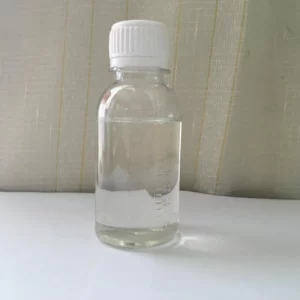
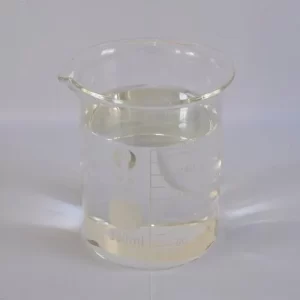
- Appearance: Typically exists as a pale yellow to light amber liquid or solid depending on formulation and concentration.
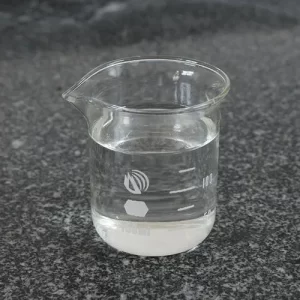
- Solubility: Fully soluble in water, forming clear solutions at room temperature. It is also partially soluble in alcohols and exhibits some solubility in organic solvents, enhancing its versatility in various formulations.
- Boiling Point: Sodium Diamyl Sulfosuccinate does not have a well-defined boiling point due to its tendency to decompose before boiling, but thermal stability extends up to approximately 200°C under controlled conditions.
- Melting Point: Usually melts in the range of 50–70°C, depending on purity and physical form.
- pH: Aqueous solutions typically exhibit a pH around 6 to 8, indicating mild acidity to near neutral behavior in use.
Structural Details and Key Chemical Attributes
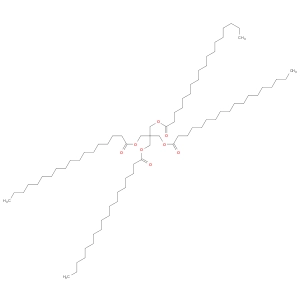
Structurally, Sodium Diamyl Sulfosuccinate is a derivative of sulfosuccinic acid, where two pentyl (five-carbon) hydrocarbon chains are covalently bonded to the sulfosuccinate backbone. This amphiphilic structure combines:
- A hydrophilic sodium sulfonate group (–SO3Na) enabling high water solubility and ionization.
- Two hydrophobic alkyl chains contributing to surface activity by embedding in oily phases.
The presence of both polar and nonpolar regions accounts for its excellent surfactant properties, enabling it to lower surface tension effectively and assist micelle formation in aqueous environments. The ester linkages in the molecule exhibit good chemical stability under neutral to mildly alkaline conditions but can hydrolyze under strong acidic or basic environments.
Key chemical attributes:
- Anionic surfactant with outstanding wetting and emulsification capabilities.
- Biodegradable structure with relatively low toxicity compared to other synthetic surfactants.
- Good compatibility with other surfactants and additives, allowing formulation flexibility.
These chemical properties make Sodium Diamyl Sulfosuccinate (CAS 922-80-5) highly suitable for applications demanding mild yet effective surface-active functions.
Uses of Sodium Diamyl Sulfosuccinate CAS 922-80-5
Emulsifier Wetting Agent and Surfactant Applications
Sodium Diamyl Sulfosuccinate (CAS 922-80-5) is commonly used as an effective emulsifier, wetting agent, and surfactant across various industries. Its chemical structure allows it to mix oil and water phases smoothly, making it ideal for stabilizing emulsions. As a wetting agent, it reduces the surface tension between liquids and solids, improving the spreading and penetration of formulations. In surfactant roles, it helps form stable micelles that encapsulate oils or particles, enhancing cleaning and dispersion performance.
Benefits in Surface Tension Reduction and Micelle Formation
One of the standout qualities of Sodium Diamyl Sulfosuccinate is its ability to lower surface tension significantly, facilitating better mixing and cleaning action. This property promotes micelle formation, which is crucial for breaking down oils, dirt, and other hydrophobic substances in aqueous environments. The micelles formed also improve the delivery and stability of active ingredients in different formulations, boosting overall effectiveness.
Industry Specific Uses in Cosmetics Cleaning and Material Synthesis
- Cosmetics: Used as a gentle surfactant and emulsifier, it improves texture and spreadability in creams, lotions, and shampoos without causing irritation.
- Cleaning Products: Essential in household and industrial cleaners where it aids in removing grease and grime efficiently, thanks to its strong wetting and emulsifying properties.
- Material Synthesis: Plays a role in polymerization processes as an emulsifier, helping create uniform polymer particles and facilitating better material characteristics.
This versatility and performance make Sodium Diamyl Sulfosuccinate a reliable choice for customers in the United States seeking high-quality anionic surfactants for their product formulations.
Synthesis Methods of Sodium Diamyl Sulfosuccinate CAS 922-80-5
Production Process Overview
Sodium Diamyl Sulfosuccinate (CAS 922-80-5) is synthesized through a sulfonation reaction of maleic anhydride with diamyl alcohol, followed by neutralization with sodium hydroxide. This process yields the sodium salt of dipentyl sulfosuccinate, commonly known as Diamyl Sodium Sulfosuccinate. The method ensures a high-purity surfactant ideal for various industrial applications.
Raw Materials Involved
- Maleic anhydride: serves as the core organic acid precursor.
- Diamyl alcohol (1-pentanol isomers): provides the hydrophobic tail essential for surfactant properties.
- Sodium hydroxide: used to neutralize the sulfonated intermediate to form the sodium salt.
- Sulfonating agent: commonly sulfur dioxide or a related sulfonation reagent for introducing the sulfonate group.
Each raw material must meet strict quality standards to ensure the final product’s consistency.
Industrial Considerations Scalability and Purity
- Scalability: The synthesis route is well-suited for industrial-scale production due to its straightforward reaction steps and availability of raw materials. Continuous monitoring during production helps maintain batch-to-batch consistency.
- Purity: Maintaining high purity levels (typically above 98%) is critical to ensuring the product performs effectively as an emulsifier and wetting agent. Impurities such as unreacted alcohols or maleic anhydride residues are minimized through controlled reaction conditions and purification steps.
- Environmental controls: Modern production lines incorporate measures to reduce emissions and handle byproducts safely, meeting U.S. environmental standards.
By focusing on these synthesis factors, we guarantee Sodium Diamyl Sulfosuccinate that meets the quality and performance demands of U.S. industries including cosmetics, cleaning products, and polymer manufacturing.
Safety Information for Sodium Diamyl Sulfosuccinate CAS 922-80-5

Toxicity Profile and Handling Precautions
Sodium Diamyl Sulfosuccinate (CAS 922-80-5) is generally considered to have low toxicity when handled properly. However, like many surfactants and wetting agents, exposure can cause mild irritation to the skin, eyes, and respiratory tract. Avoid direct contact and inhalation of dust or mist. In case of contact, rinse immediately with plenty of water.
Handling tips:
- Use in well-ventilated areas to minimize inhalation risks.
- Prevent prolonged or repeated exposure to avoid irritation.
- Follow standard industrial hygiene practices during handling.
Storage and Stability Guidelines
Proper storage is essential to maintain the stability and effectiveness of Sodium Diamyl Sulfosuccinate. It should be:
- Stored in a cool, dry place away from direct sunlight and moisture.
- Kept in tightly sealed containers to prevent contamination and degradation.
- Protected from extreme temperatures and incompatible chemicals such as strong acids or oxidizing agents.
Under recommended storage conditions, this surfactant maintains stability for extended periods, ensuring consistent performance in applications like cosmetics and cleaners.
Recommended Protective Equipment and Safety Measures
To safely work with Sodium Diamyl Sulfosuccinate, personal protective equipment (PPE) should be worn:
- Chemical-resistant gloves to prevent skin contact.
- Safety goggles or face shields to protect eyes from splashes.
- Protective clothing to avoid prolonged skin exposure.
- If handling powders or generating aerosols, use of a dust mask or respirator is advisable.
Always keep an emergency eyewash station and safety shower near the work area. Follow company and OSHA guidelines for workplace safety to minimize risk.
By carefully following these safety tips, you can work confidently with Sodium Diamyl Sulfosuccinate while protecting yourself and your team.
Material Safety Data Sheet Overview for Sodium Diamyl Sulfosuccinate CAS 922-80-5
Hazard Identification and First Aid Measures
-
Hazard Classification
Sodium Diamyl Sulfosuccinate is generally considered a low to moderate hazard chemical. However, it can cause skin and eye irritation upon direct contact. Inhalation of dust or aerosols may irritate the respiratory tract.
-
First Aid Guidelines
Skin contact: Immediately rinse affected area with plenty of water. Remove contaminated clothing. Seek medical attention if irritation persists.
Eye contact: Flush eyes with water for at least 15 minutes. Get medical help promptly.
Inhalation: Move the person to fresh air. If breathing is difficult, seek medical assistance.
Ingestion: Do not induce vomiting. Rinse mouth and contact a poison control center or healthcare professional immediately.
Regulatory Compliance and Standards
-
Regulations
Sodium Diamyl Sulfosuccinate complies with US OSHA (Occupational Safety and Health Administration) regulations for workplace safety. It is also subject to EPA guidelines concerning chemical handling and disposal.
-
Labeling and Classification
The product is labeled following the GHS (Globally Harmonized System) standards for hazard communication, ensuring users clearly understand risks and safeguards.
-
Environmental Impact
It is biodegradable under specified conditions but requires proper disposal as per local regulations to prevent environmental contamination.
Access to Supplier MSDS Documentation
-
Availability
MSDS documents for Sodium Diamyl Sulfosuccinate are readily accessible through reputable chemical suppliers like Blissam. These documents assist businesses in risk assessment and compliance audits.
-
What to Look For
When requesting an MSDS, ensure it includes:
- Detailed chemical properties and identification
- Comprehensive hazard and risk information
- Safe handling, storage, and disposal instructions
- Emergency procedures and first aid steps
-
Blissam Support
We provide up-to-date MSDS sheets for Diamyl Sodium Sulfosuccinate, ensuring your operation stays safe and compliant with US regulations. Contact us anytime for the latest safety documentation tailored to your needs.
Key takeaway: Always refer to the MSDS before working with Sodium Diamyl Sulfosuccinate to guarantee safe use and regulatory compliance. The sheet acts as a vital guide in managing hazards and handling emergencies efficiently.
Upstream and Downstream Product Information for Sodium Diamyl Sulfosuccinate CAS 922-80-5
Raw Materials Sourcing and Supplier Considerations
Sodium Diamyl Sulfosuccinate (CAS 922-80-5) is synthesized using carefully selected raw materials such as sulfosuccinic acid derivatives and alcohols like amyl or dipentyl alcohols. Purity of these raw materials directly impacts the quality of the final product, making sourcing a critical step. Reliable suppliers that provide consistent, high-grade starting chemicals are essential to maintain batch-to-batch uniformity.
When choosing suppliers, factors like compliance with US chemical regulations, local availability, and timely delivery play a significant role. Working with trusted manufacturers who specialize in anionic surfactants and emulsifiers ensures stability and effectiveness in downstream applications.
Derived Products and Industrial Applications
Sodium Diamyl Sulfosuccinate serves as a key intermediate in producing a variety of formulations, especially in industries demanding effective surfactants and emulsifiers. Its property as a wetting agent and surface-active chemical allows it to function in:
- Cosmetics: Used in lotions, creams, and personal care items for gentle cleansing and stabilization.
- Cleaning Products: Acts as a surfactant and emulsifier in detergents and specialty cleaners, improving foam and soil removal.
- Material Synthesis: Plays a role in polymerization processes as an emulsifier, aiding in consistent polymer particle size and dispersion.
These derived products benefit from Sodium Diamyl Sulfosuccinate’s ability to reduce surface tension and form stable micelles, making it versatile across multiple sectors.
Role in Chemical Supply Chains
Within the chemical supply chain, Sodium Diamyl Sulfosuccinate functions as a crucial building block for specialty surfactants and emulsifiers. Its demand closely ties to markets like cosmetics, household cleaners, and industrial material manufacturing.
- Reliable supply consistency is vital to avoid production delays in downstream manufacturers.
- It is often bundled with other surfactants such as sodium lignosulfonate or sodium dodecylbenzenesulfonate, both available through suppliers like Blissam, to tailor product formulations.
By ensuring quality and steady availability, suppliers help facilitate smooth operations across the chemical manufacturing and consumer goods sectors.
For related anionic surfactants, consider checking Sodium Lignosulfonate CAS 8061-51-6 or Sodium Dodecylbenzenesulfonate CAS 25155-30-0 which complement applications where Sodium Diamyl Sulfosuccinate is used.
Why Choose Blissam for Sodium Diamyl Sulfosuccinate CAS 922-80-5
When it comes to sourcing Sodium Diamyl Sulfosuccinate (CAS 922-80-5), Blissam stands out for several key reasons tailored to meet the needs of the U.S. market.
High Product Purity and Multiple Grades Available
- We provide exceptionally pure Sodium Diamyl Sulfosuccinate, ensuring consistent performance whether you need it as a wetting agent, surfactant, or emulsifier.
- Our product comes in various grades suited for cosmetics, industrial cleaning, and polymer applications, giving you the flexibility to choose the right fit without compromising quality.
- Every batch undergoes strict quality control testing to meet industry standards and guarantee stability and effectiveness.
Reliable Global Supply Chain You Can Trust
- Blissam maintains a robust and transparent supply chain, so you benefit from timely deliveries no matter where you operate in the U.S.
- Our streamlined logistics help avoid supply interruptions — a critical factor when consistent production is a must.
- As a manufacturer and supplier, we oversee the entire process from raw materials sourcing to final product shipment, adding a layer of reliability few can match.
Quality Certifications and Tailored Solutions
- We hold multiple industry certifications proving our commitment to quality, safety, and environmental standards.
- Blissam offers customized formulations and packaging options for companies with specific needs, helping you optimize your product’s performance and application.
- Our technical support team is available to provide expert advice on using Sodium Diamyl Sulfosuccinate effectively in your formulations, whether for cosmetics, cleaning agents, or industrial uses.
Choosing Blissam means getting a trusted partner for Sodium Diamyl Sulfosuccinate CAS 922-80-5 — combining purity, supply security, and industry expertise to support your business needs right here in the U.S.
 English
  Russian
  Arabic
  Korean